
How Many Books Should You Print? A Practical 100-1,000 Copy Decision Guide
A practical guide to choosing whether to print 100, 250, 500, or 1,000 books based on demand, margin, launch plans, storage, and reprints.


Lower cost per book than POD
Higher profit on direct sales
Sell under your own brand
Control pricing, packaging, and customer experience
Print and deliver within the EU
Higher profit on direct sales

Indicative comparison · relative cost per copy across run lengths
Illustrative comparison. Final production costs depend on format, paper, binding, number of pages, finishing, and delivery requirements.




I need launch stock, but I don’t want to overprint.
I have a book launch, pre-orders, an event, or a first sales push coming up. I need enough copies to sell confidently, but I’m not ready to commit to a large offset run.
I sell direct, and POD margins are too thin.
I already have buyers coming through my own store, email list, ads, or community. Now I need a better unit cost and more control over packaging, delivery, and customer experience.
I need printing and fulfilment handled in Europe.
The hard part is not only printing the books. I also need storage, packing, and delivery to EU customers without overseas shipping delays, customs friction, or manual fulfilment work.
I need a premium book, not another brochure.
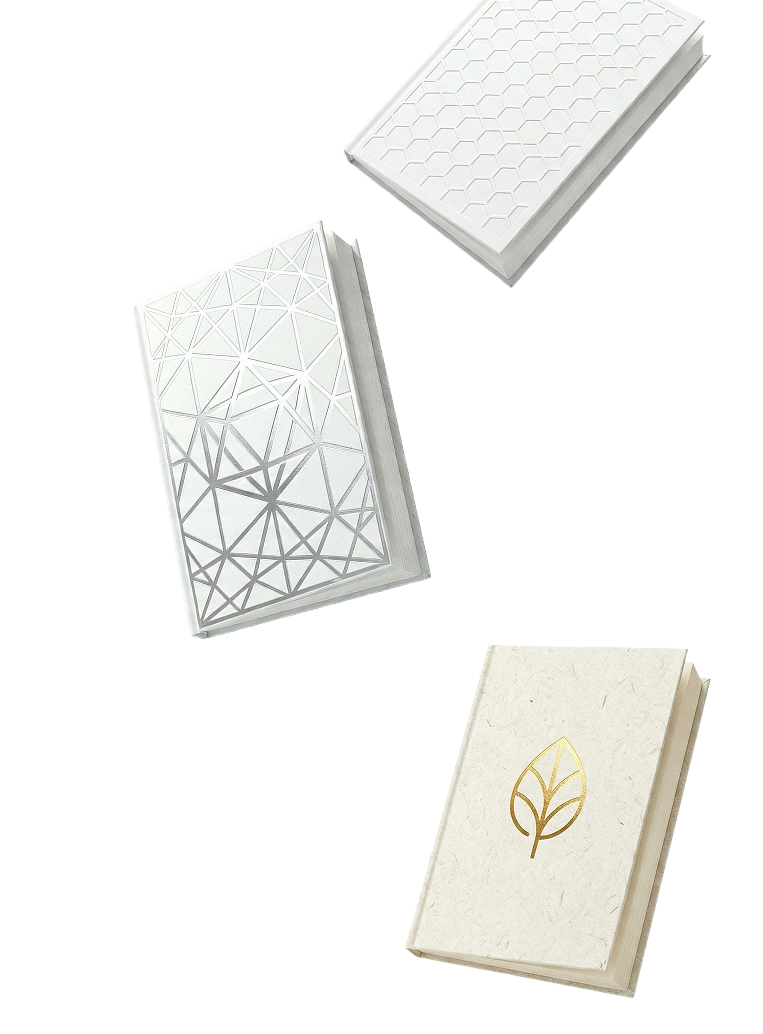
I want something people keep, for clients, events, launches, sales conversations, or brand campaigns. The book needs to feel valuable, not disposable.
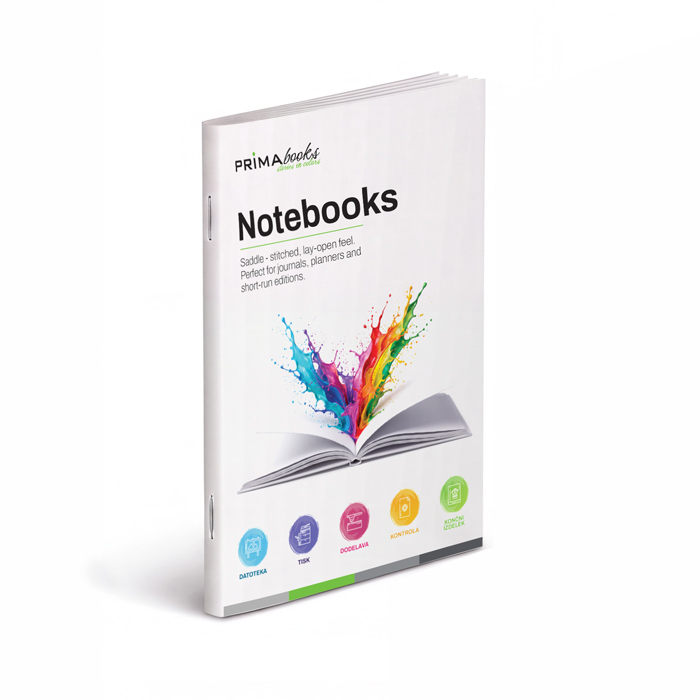
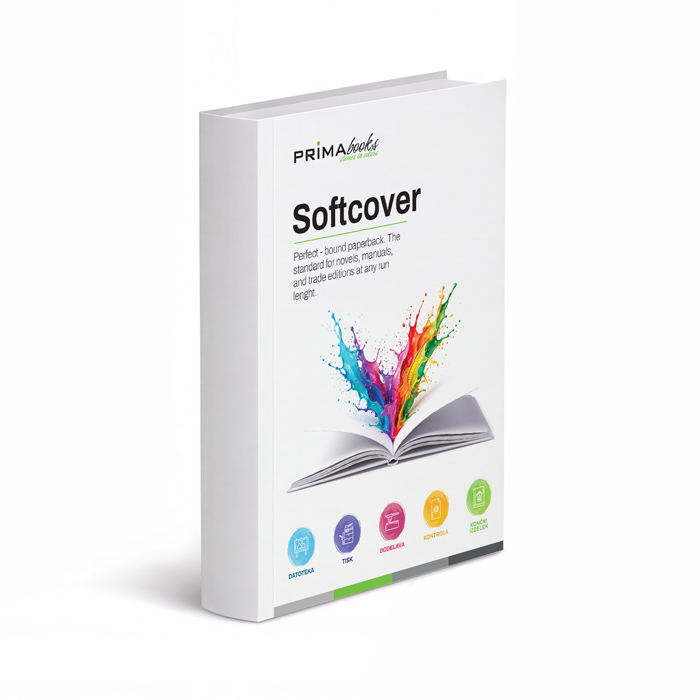
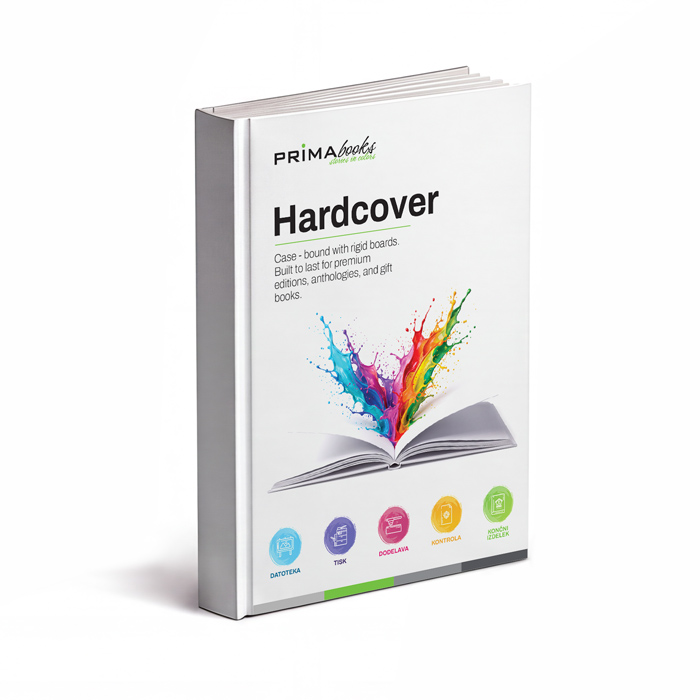
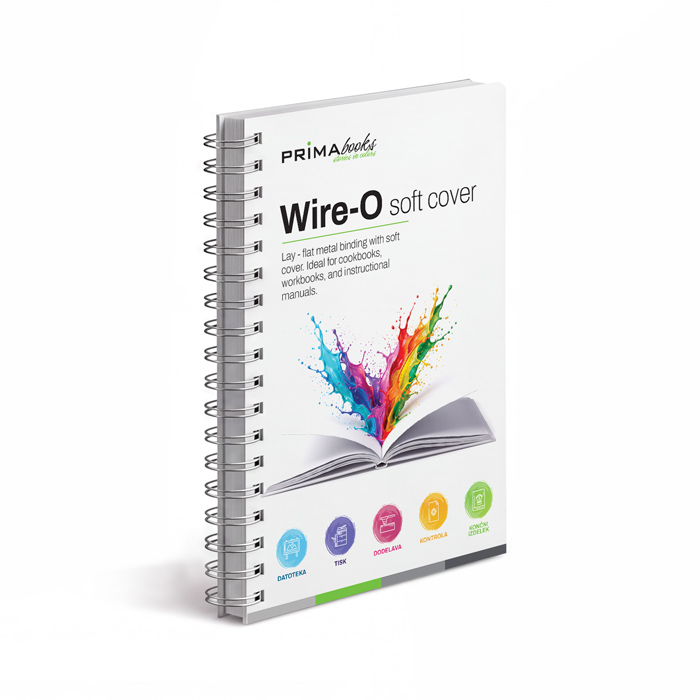
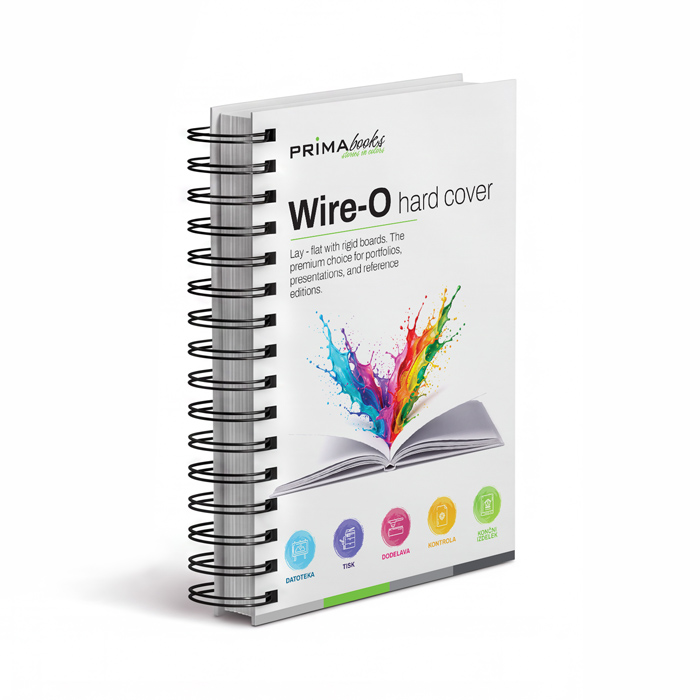
We’re primarily optimised for print runs between 300 and 1,500 copies — the range where print-on-demand often becomes too expensive per copy, while offset printing can still require too much upfront commitment.
If your project is below or above that range, send us your specs and we’ll help you identify the most sensible production route.
No. Print-on-demand is usually best when you are testing demand or selling one copy at a time.PrimaBooks is built for authors and publishers who already have demand and want better unit economics, more control, and stronger margins without committing to thousands of copies upfront.
Offset printing can be very cost-effective at high volumes, but it usually requires a larger upfront order and creates more inventory risk.PrimaBooks gives you a middle option: better cost per copy than POD, but with more flexibility and less upfront risk than traditional offset printing.
PrimaBooks is best for independent authors, publishers, course creators, educators, businesses, and organisations that need professional book production in short or mid-size runs.It works especially well if you already have an audience, pre-orders, direct sales, or a clear distribution plan.
We can support a range of book projects, including paperbacks, hardcovers, workbooks, manuals, educational books, branded books, journals, planners, and other printed publications.If you’re unsure whether your book is suitable, send us the format, page count, quantity, and binding preference, and we’ll advise you.
Yes. PrimaBooks is designed for authors and publishers who want EU-based production and fulfilment instead of relying only on overseas printing or platform-controlled distribution.Tell us where your customers are located and how you plan to sell, and we’ll help you choose the most practical fulfilment setup.
To calculate an accurate quote, we usually need:
Quantity
Book size
Page count
Paperback or hardcover
Colour or black-and-white interior
Paper preference, if known
Cover finish
Delivery or fulfilment destination
Deadline
Print-ready files or a sample/reference book
The more details you provide, the more accurate the quote will be.
Ideally, yes. Print-ready PDF files help us quote and produce your book faster.If your files are not fully ready yet, send us what you have and we’ll let you know what needs to be adjusted before production
Yes, for suitable projects we can arrange a proof or production sample before the full run, so you can check the print, paper, binding, and finishing before approving production.This is especially useful for first-time projects or premium books.
Production time depends on the quantity, binding type, finishing, file readiness, and fulfilment requirements.Once we receive your specs, we’ll confirm the expected timeline together with your quote.
PUsually, no. If you only need one or a very small number of copies, print-on-demand may be more practical.PrimaBooks is designed for authors and publishers who want to move beyond one-copy production and improve their margins with a controlled print run.
Send us your book specs and expected sales volume. We’ll help you compare the options honestly.If POD or offset makes more sense for your situation, we’ll tell you. PrimaBooks is best when you want the middle ground between low-margin POD and high-commitment offset printing.
A practical guide to choosing whether to print 100, 250, 500, or 1,000 books based on demand, margin, launch plans, storage, and reprints.

Learn what changes book printing cost per copy, from quantity and page count to paper, binding, shipping, fulfillment, and real sales margin.
Compare POD, offset, and short-run digital book printing so you can protect margin, reduce inventory risk, and choose the right 100-1,000 copy plan.